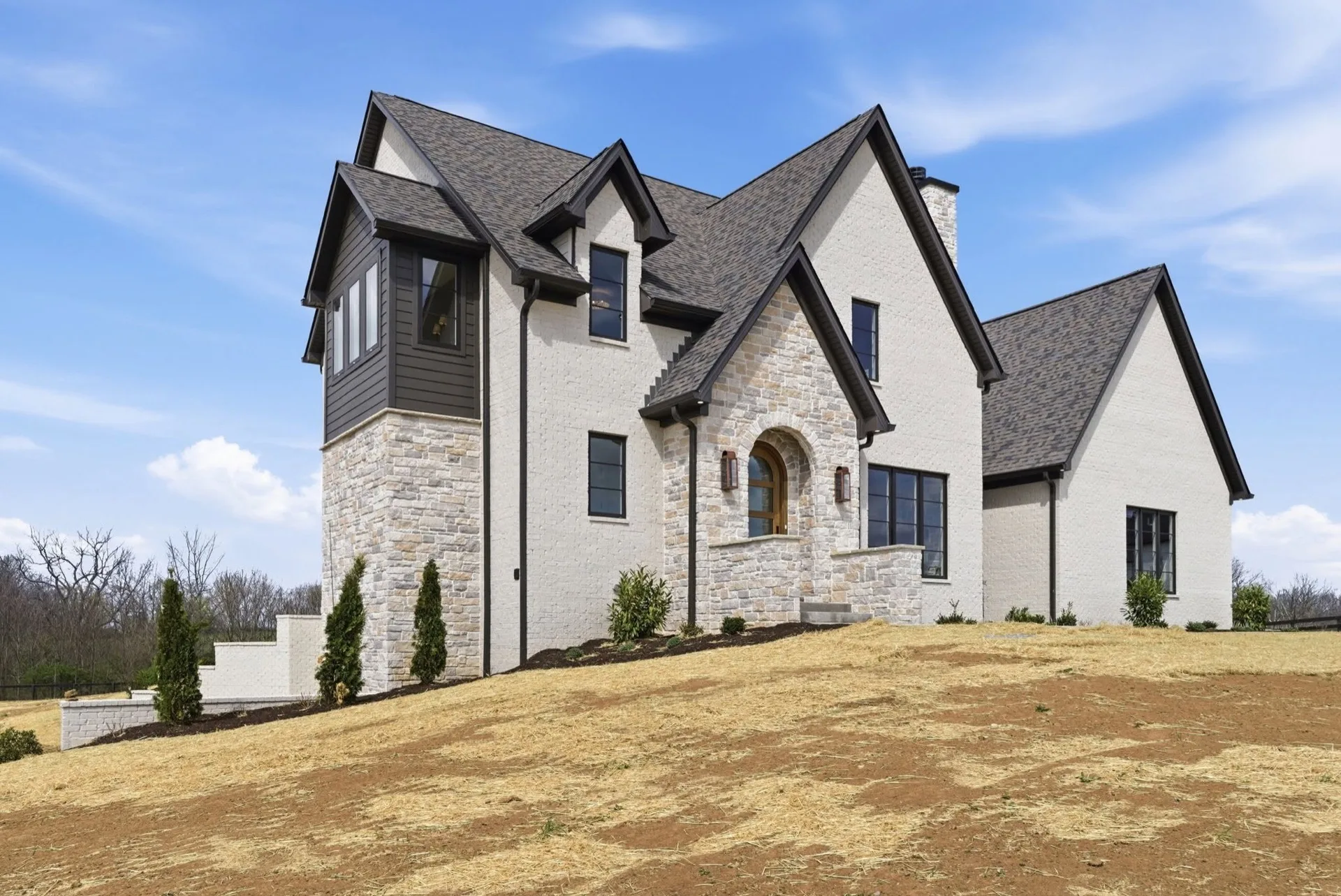
Staining & Varnishing
Staining & Varnishing in Georgetown, Kentucky
Wood Protected the Right Way. Clean Prep. Finishes Built to Last.
V3 Painting stains and varnishes wood for homeowners across Georgetown and the surrounding Central Kentucky communities — decks, porches, fences, pergolas, railings, exterior doors, and interior trim, doors, and built-ins. We start by deciding whether the wood needs a full strip or a clean-and-recoat, then match the right stain and topcoat to how the surface is used and how much weather it takes. We respond to new inquiries within 24 hours and provide free estimates within the week. If you want straightforward guidance from a local team that shows up on time and leaves no mess, get in touch.
Learn More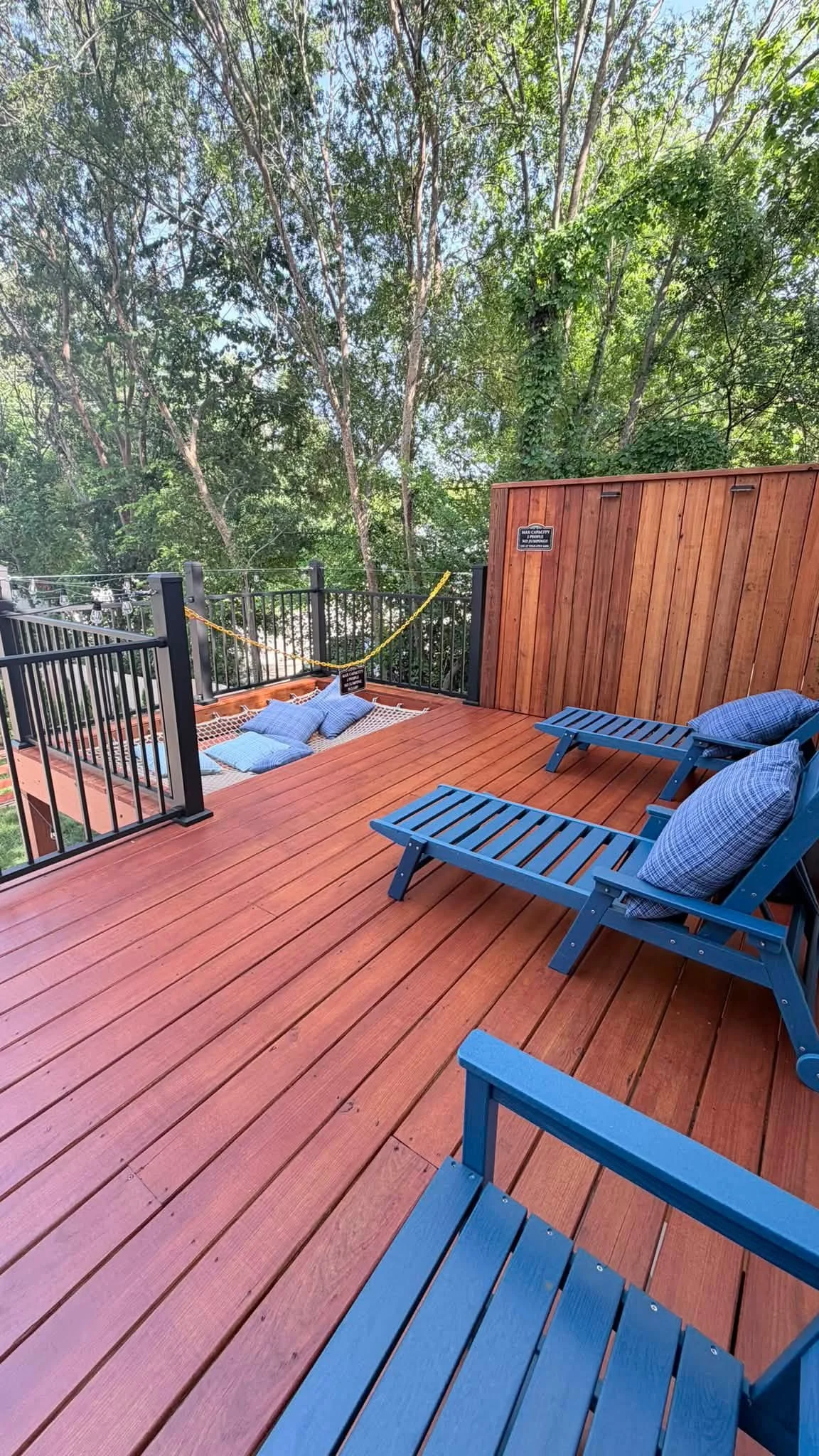
You Need a Finisher Who Understands How Wood Wears
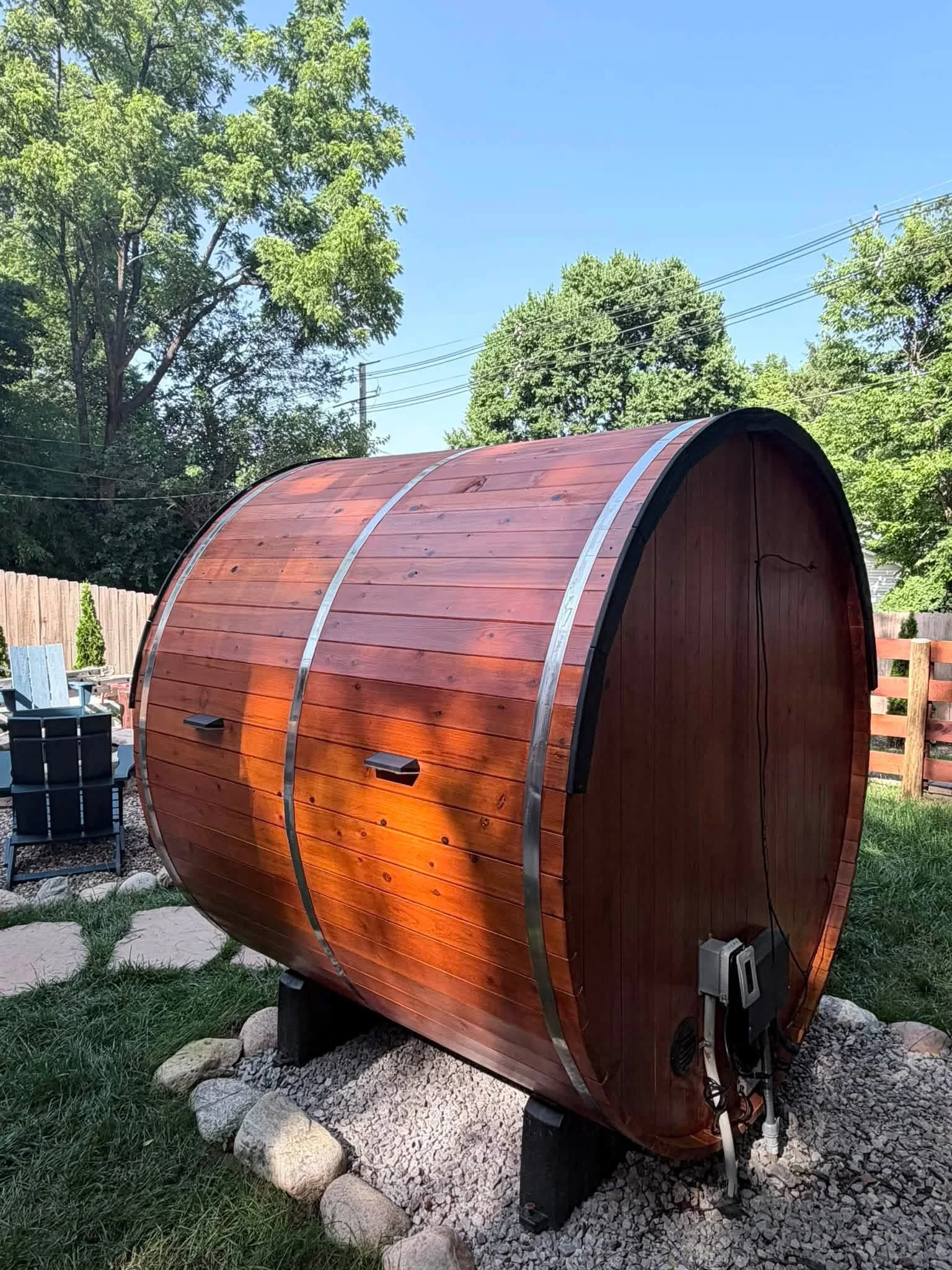
Staining looks simple until it fails early. Blotchy color, lap marks where wet and dry edges met, finish peeling off a deck after one season, or a varnish that clouds and cracks in the sun are all signs of skipped prep or the wrong product. Wood is a living surface — it moves with moisture, opens its grain in the heat, and tightens in the cold. At V3 Painting we treat staining and varnishing as a process of reading the wood first and finishing it second.
The biggest decision happens before any stain goes on: strip or recoat. If the old finish is failing — flaking, peeling, or worn through — it has to come off so the new stain can bond to bare wood. If the existing finish is sound and just tired, we can clean, lightly sand, and recoat without a full teardown. Getting that call right is the difference between a finish that lasts and one that lifts within a year.
We also match the finish to the exposure. Stains run on a spectrum from transparent to semi-transparent to semi-solid to solid — the more pigment, the more UV protection and the less grain you see. Over the stain, the right sealer or topcoat — varnish, polyurethane, or marine-grade — locks out moisture and slows sun damage. We help you weigh color, grain, and longevity so the result fits the look you want and the weather it has to survive.
Our Staining & Varnishing Process
Consultation & Wood Assessment
Every staining project starts with a close look at the wood. We check the species, the condition of any existing finish, and how much sun, moisture, and traffic the surface takes. From there we talk through your options — how transparent or solid you want the color, how much grain you want to keep, and how long you want the finish to hold up. We point out any rot, gray fibers, or failing boards that need to be addressed before staining begins.
01Estimating & Scheduling
After the assessment, you receive a clear, written estimate that reflects the real scope — whether the job calls for a full strip or a clean-and-recoat, the stain and topcoat we recommend, materials, and timeline. No vague allowances, no surprises. Because finishes need dry weather to cure, we watch the Kentucky forecast and schedule around it, locking in color and product choices before any work begins.
02Strip, Clean & Sand
Prep is where a stain job is won or lost. If the old finish is failing, we strip it back to bare wood; if it's sound, we clean and brighten the surface and lightly sand to open the grain. We remove gray, weathered fibers, rinse off mildew and debris, and let the wood dry to the right moisture level so the stain can actually soak in. Trim, doors, and built-ins get masked and protected, and we keep the work area clean from start to finish.
03Stain, Seal & Final Walkthrough
With prep complete, we apply the stain evenly — working board by board to avoid lap marks — and follow with the right sealer or topcoat for the exposure. We let each coat cure properly rather than rushing the next one. When the finish is set, we clean up thoroughly and walk the project with you, checking coverage and color, confirming you're happy with the result, and explaining what to expect before a recoat is due.
04
Every Surface We Stain and Seal, Handled With Care
Deck Staining & Sealing
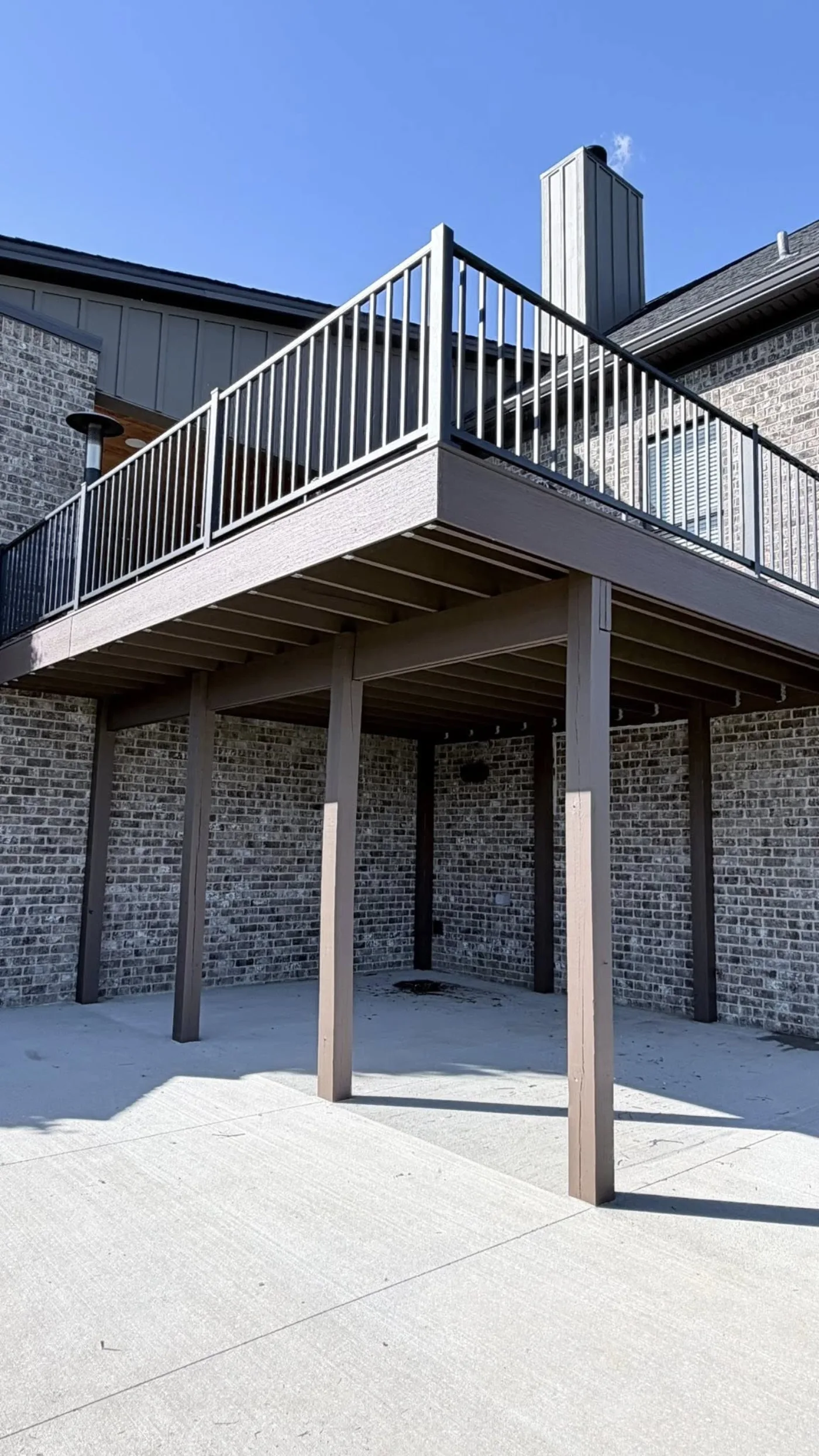
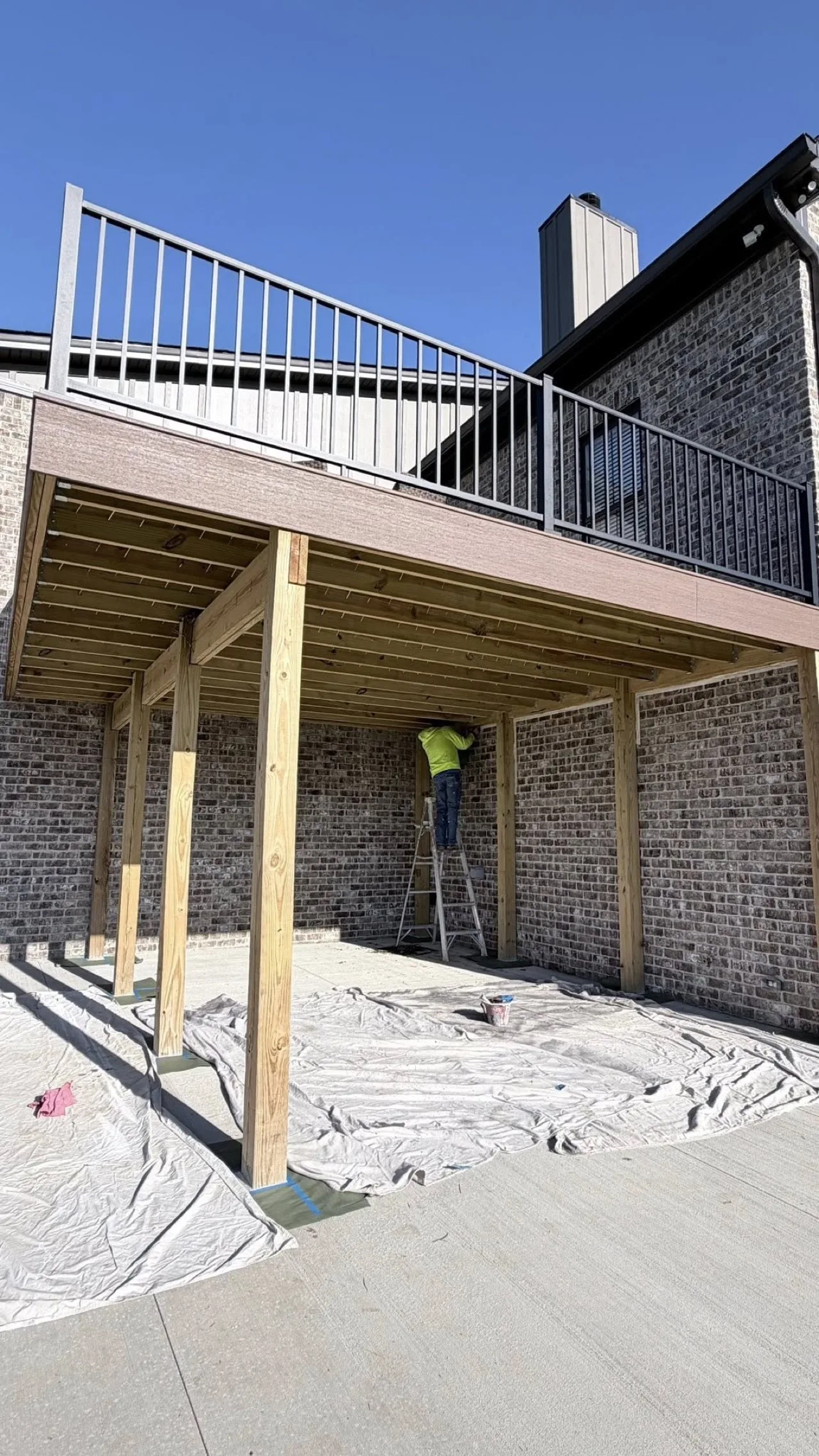
Decks take the worst of Kentucky weather — full sun, rain, and freeze-thaw cycles that work moisture into every board. We clean, brighten, and sand the surface, then apply a stain matched to how exposed the deck is and seal it to hold off water and UV. Horizontal surfaces wear fastest, so we focus on coverage and a finish that sheds water instead of trapping it.
Fence Staining
A stained fence holds its color and resists rot far longer than bare wood left to gray out. We clean off mildew and weathered fibers, then apply a semi-transparent or solid stain depending on how much grain you want to keep and how much UV protection the fence needs. The result is even color from post to post and a finish that protects both sides of the wood.
Exterior Door & Trim
An exterior door is the first thing visitors see, and it takes constant sun and weather. We strip or clean the door, stain it to bring out the grain, and seal it with a UV-resistant topcoat — often marine-grade — so it stays rich instead of fading and cracking. Exterior trim and railings get the same attention so the whole entry reads as one finished piece.
Interior Wood Varnishing
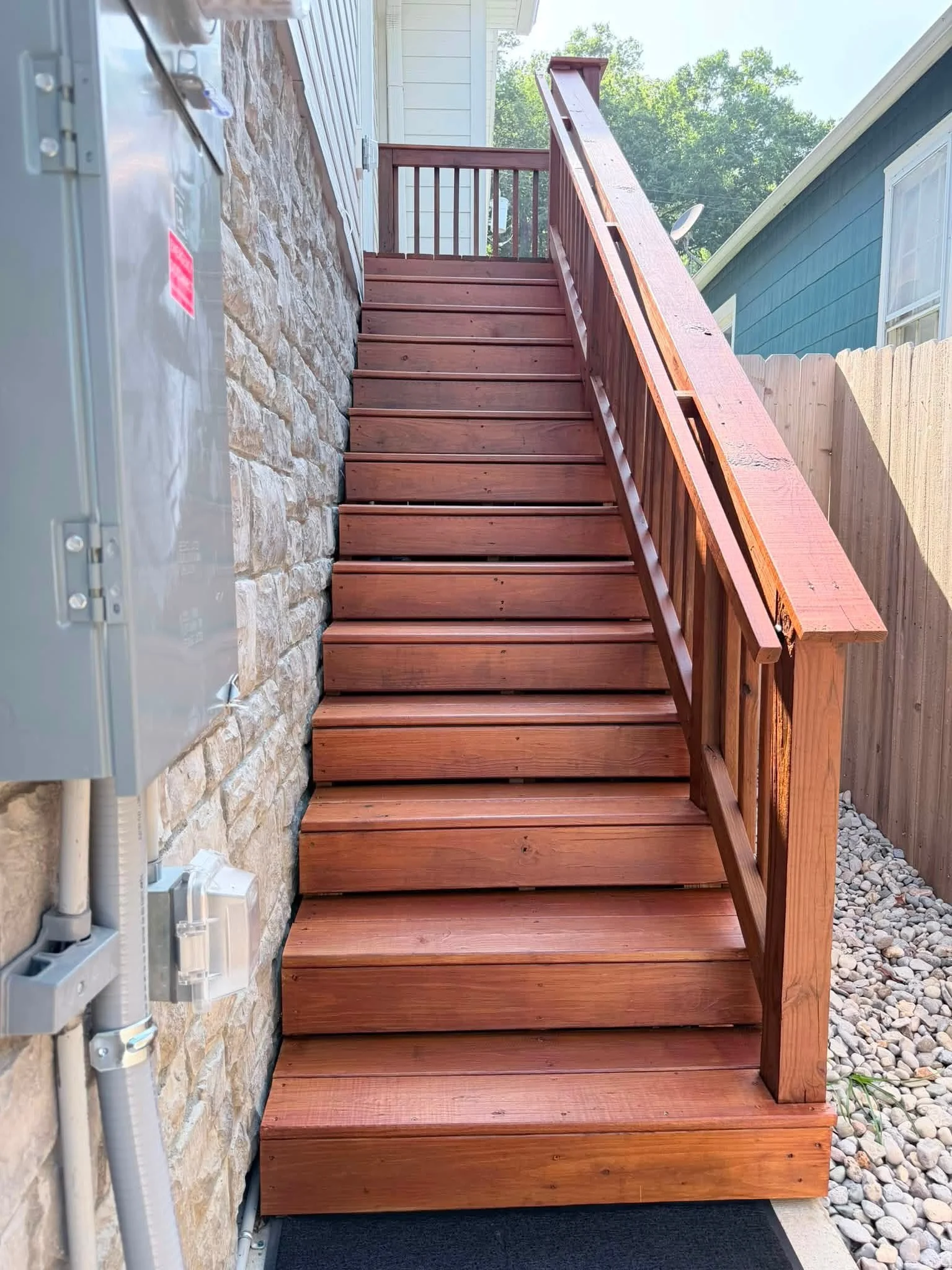
Interior trim, doors, stair rails, and built-ins call for a finish that's smooth, even, and durable without the heavy weatherproofing exterior wood needs. We sand, stain to the tone you want, and varnish with the right sheen for the space — from a low satin on trim to a harder polyurethane on stairs and high-touch surfaces. Clean lines and a flawless surface are the whole point.
Strip & Refinish
When a finish has failed — peeling, flaking, or worn through — recoating over it only buys a few months. We strip the surface back to bare wood, sand out the damage, and rebuild the finish from scratch. It's more work up front, but it's the only way to get a stain that bonds properly and lasts. We're honest about when a strip is necessary and when a recoat will do.
Seal & Topcoat Protection
Stain adds color, but it's the topcoat that does the protecting. We seal finished wood with the right product for the job — varnish, polyurethane, or marine-grade — to lock out moisture and slow UV damage. Choosing the right topcoat and sheen extends the life of the finish and cuts down how often the surface needs to be recoated.
Frequently Asked Questions
Cost depends on the size of the surface, its condition, and how much prep is involved. A clean-and-recoat on sound wood costs far less than a full strip and refinish on a deck that's been neglected. The stain type and topcoat matter too — solid stains and marine-grade sealers cost more than a simple transparent finish. We provide detailed estimates so you understand exactly what's included, including whether the job needs a strip or a recoat, before any work begins.
Most decks and fences take a few days, while interior varnishing or a small door might be a single day. The bigger factor is weather — wood needs to be dry and the forecast clear so each coat can cure. If a full strip is involved, add time for that. We give you a realistic timeline during the estimate and schedule around the Kentucky forecast to avoid rain interrupting the cure.
For most decks, stain is the better choice. Paint sits on top of the wood and tends to peel on horizontal surfaces as moisture works underneath it, leaving you scraping and repainting. Stain soaks into the wood, shows the grain, and wears by fading rather than flaking — which makes recoating much easier. Paint can make sense on railings or vertical trim, but for the deck boards themselves, a quality stain and sealer almost always holds up better.
It comes down to pigment. Transparent and semi-transparent stains let the grain show through but offer less UV protection, so they fade faster. Semi-solid and solid stains carry more pigment, hide more of the grain, and block far more sun — so they last longer between recoats but look more like a coat of color than natural wood. We help you find the right point on that spectrum based on how much grain you want to keep and how much weather the surface takes.
It depends on exposure and the finish used. A horizontal deck in full sun might need attention every 2-3 years, while a fence or a more solid stain can go longer. Interior varnished wood lasts much longer since it's out of the weather. The key is recoating before the finish fully fails — a timely recoat is far cheaper and easier than a full strip and refinish once the wood has been left bare and weathered.
Yes. Gray, weathered wood is just sun-damaged surface fiber, and stain won't bond well to it as-is. We clean and brighten the wood, then sand off the dead gray layer to get back to sound material that will actually accept the stain. On a badly neglected deck this takes more prep, but it's what allows the new finish to soak in and last instead of sitting on top and lifting.
Late spring and early fall are ideal in Kentucky — mild temperatures and lower humidity let the finish cure properly. We avoid staining in high heat, when stain can flash-dry and lap, and in cold or wet weather, when it won't cure. The wood also needs to be dry, so we plan around recent rain. We watch the forecast and schedule your project for a stretch that gives the finish the conditions it needs.
In most cases, yes. Sanding removes failing finish and weathered fibers, smooths rough spots, and opens the grain so the stain can absorb evenly. How aggressively we sand depends on the surface — a full strip and refinish gets sanded back to bare wood, while a clean-and-recoat usually needs only a light scuff sand. Proper sanding is a big part of why a finish goes on evenly and stays put.
Have a Question?
Reach out today. A member of our team will be in contact with you within 24-hours of your submission.